
 ETOS Global
What Is DMC Software and Why Do Companies Need It?
You already know how stressful it is to run a Destination Management Company. Your team is still working on a spreadsheet, two suppliers have changed their rates overnight and you need to confirm itineraries for three group bookings before noon.
This is the daily reality for thousands of DMC businesses worldwide and it is the exact problem that destination management company software exists to solve.
DMC software is a purpose-built technology platform that brings together separate spreadsheets and manual workflows into one system. It brings together your sales team, operations, supplier contracts and operational finances into one platform that works in real time, so nothing gets missed.
Whether you manage ten bookings a month or a thousand, the right destination management software gives you the visibility, speed and control that modern travel businesses demand.
This guide explains everything you need to know about DMC, what it is, how it works, what to look for and how to choose the right solution for your company.
What Is a Destination Management Company (DMC)?
A Destination Management Company (DMC) is a local travel expert that handles all ground services at a specific destination on behalf of travel agents, tour operators and corporate clients. Think of a DMC as the expert on the ground, the company that knows which hotel can accommodate a group, which transport provider is reliable for airport transfers and which sightseeing operator delivers the best local experiences.
DMCs sit between global travel agencies and local service providers. They negotiate contracts with:
- Hotels
- Car Rental Companies
- Transport providers
- Activity operators
- Restaurants
- Local Guides
package those services for their B2B partners who, in turn, sell them to travellers. From airport pickups and hotel bookings to MICE events and multi-day FIT tours, DMCs manage an extraordinarily complex web of logistics. What makes this particularly challenging is that every booking is different, every client has unique requirements and every destination has its own operational rules.
This complexity is exactly why the travel industry increasingly relies on dedicated DMC software rather than generic tools.
What Is Destination Management Company Software?
Destination management company software is a technology platform designed specifically for the operational needs of DMCs and inbound tour operators.
Unlike a standard booking engine or a general project management tool, DMC management software is built around the specific workflows of destination-based travel businesses from supplier contracting and quote building to real-time reservations, planning and operational finance.
In simple terms, it is the central command system for your entire DMC operation. It connects every department: sales, reservations, operations, transport and accounts into one seamless workflow. When a travel agency sends an inquiry, the software captures it, helps your team build a personalized quote, confirms availability with suppliers in real time, generates itinerary documents, tracks the booking through to travel and manages the financial settlements, all from a single platform.
The global tour operator software market is projected to reach $1.2 billion by 2026, reflecting just how critical DMC software solutions have become for companies that want to grow without adding proportional overhead.
What Is the Purpose and Target Audience?
The primary purpose of destination management software is to replace manual, error-prone processes with automated, transparent workflows that improve both operational efficiency and customer experience.
DMC software serves several key audiences across the travel industry.
- Destination management companies use it as their core operating system, managing inbound groups, FIT bookings and day-by-day operations from a single platform.
- Inbound tour operators use it to keep track of all their supplier contracts, handle changing prices and handle both B2B and B2C bookings through a single booking engine.
- Travel agents and B2B partners benefit from the self-service portals that give them real-time access to availability, pricing and booking confirmations without manual back-and-forth.
- Corporate travel managers use DMC software to coordinate events, conferences and incentive programmes, tracking budgets and supplier assignments in one place.
- Tourism boards and leading travel organisations use integrated management software to work with local DMCs and distribute destination products across digital channels.
If your travel business is handling inbound tourism at a destination level, whether you are a small boutique operator or a large company or a multi-DMC outfit, DMC management software is not optional. It is the foundation on which a scalable, profitable operation is built.
How Does DMC Software Work?
DMC software works as a connected, end-to-end workflow that takes your business from the first client inquiry all the way through to final invoicing, planning without losing data or context at any step.
When a travel agency or B2B partner sends an inquiry, the software records it as a lead, captures the client's requirements and routes it to the right sales team member. Your team can then access your contracted supplier rates in real time to build a precise, personalized quote no longer opening three different spreadsheets to cross-check pricing.
Once the client approves a proposal, the booking is created automatically. The system alerts relevant suppliers, generates itinerary documents and shares live booking updates with both the client and your operations team. Transport assignments, hotel confirmations, sightseeing vouchers every service is tracked within the same platform.
As the travel date approaches, your operations team uses the software to manage day-to-day: transfer lists, rooming lists, guide assignments and last-minute amendments. Suppliers receive automated communications rather than manual phone calls.
Once travel is confirmed, the software handles accounts receivable and payables, reconciling supplier invoices, calculating margins and generating financial reports. The entire cycle, from inquiry to payment reconciliation, runs through one system. This is what genuine operational efficiency looks like in a modern travel business.
Benefits of Using DMC Software
The business case for adopting destination management company (DMC) software is clear. Companies consistently experience the following benefits:
- Faster quoting: Generate accurate, branded quotes in minutes instead of hours. Faster responses improve conversion rates and reduce the chance of losing clients.
- Fewer errors and refunds: Eliminate mistakes caused by manual data entry across multiple tools. A centralized system with automated checks ensures accuracy in bookings, rates and services.
- Improved operational transparency and efficiency: Dashboards for individuals and teams provide clear visibility into responsibilities and booking status, ensuring accountability at every step.
- Scalable growth: Handle more bookings, destinations and partners without needing to proportionally increase staff. The software grows with your business.
- Stronger supplier relationships: Automated communication and real-time reservation management keep suppliers informed, leading to smoother operations and better service delivery.
- Complete financial control: Access real-time insights into margins, payments and receivables, enabling confident and informed decision-making.
Frequently Asked Questions (FAQs)
1. What is DMC software used for?
Ans: DMC software helps destination management companies and inbound tour operators manage their full workflow from handling inquiries and creating quotes to booking suppliers, coordinating group travel and managing finances.
2. Is DMC software the same as a booking system?
Ans: No. A booking system only manages reservations, while DMC software covers the entire business, including CRM, supplier management, itinerary creation, operations, partner portals and financials.
3. What is the difference between a DMC and a tour operator?
Ans: A tour operator creates and sells travel packages to customers. A DMC manages on-ground services at the destination for tour operators and agencies.
4. Can small DMCs use destination management software?
Ans: Yes. Most DMC software is scalable, with plans suited for small businesses as well as large enterprises.
5. How long does it take to implement DMC software?
Ans: Implementation depends on business complexity, but most systems can be set up and running within a few weeks with proper onboarding and training.
How DMC24 Software Will Help You?
If you are looking for DMC software that combines depth, flexibility and strong local market understanding, DMC24 is built for exactly that. It’s designed for inbound tour operators and DMCs in 30+ countries concerning their localized requirements.
With 250+ built-in features, DMC24 manages your entire operation in one platform, including:
- Supplier contracting
- Sales & CRM
- Quoting and Itineraries
- Reservations
- Transport
- B2B/B2C Booking
- Finance
Final Summary
Destination management company software is no longer Just a nice-to-have for DMCs that want to grow; it's the operational backbone that keeps companies that want to grow from getting stuck. The right DMC Software stops you from making mistakes by hand, speeds up your sales cycle, gives your team full operational visibility and connects every part of your business into one real-time workflow.
The most important thing is to choose a platform that fits your market, your size and your plans for growth. DMC24 gives you a purpose-built solution that top travel companies in 24 countries trust. It has the features, flexibility and local market knowledge to help your destination management company grow with confidence.
Ready to see what DMC24 can do for your travel business?Start your trial today or Schedule a Personalized Demo with the ETOS Global team.
-
 2025-07-28
Top 10 places for solo travelers and backpackers
-
.png "How can tour operators and DMCs provide personalized travel experiences using technology?") 2025-07-30
2025-07-30How can tour operators and DMCs provide personalized travel experiences using technology?
-
.png "Everything you need to know about CRM technology! A guide to CRM in the travel industry!") 2025-07-30
2025-07-30Everything you need to know about CRM technology! A guide to CRM in the travel industry!
-
 2025-12-23
Planning a trip to Kenya? Here are a few reasons why you should visit Kenya!
-
.png "Why Uganda should be on your travel bucket list?") 2025-12-29
2025-12-29Why Uganda should be on your travel bucket list?
-
.png "Why travel insurance is more important than ever before?") 2026-01-19
2026-01-19Why travel insurance is more important than ever before?
-
.png "10 best travel destinations for wildlife lovers") 2026-01-28
2026-01-2810 best travel destinations for wildlife lovers
-
.png "Prepare for the next frontier of travel and exploring the possibility of space tourism") 2026-02-11
2026-02-11Prepare for the next frontier of travel and exploring the possibility of space tourism
-
.png "Top 3 offbeat islands you need to visit") 2026-02-18
2026-02-18Top 3 offbeat islands you need to visit
-
 2026-04-29
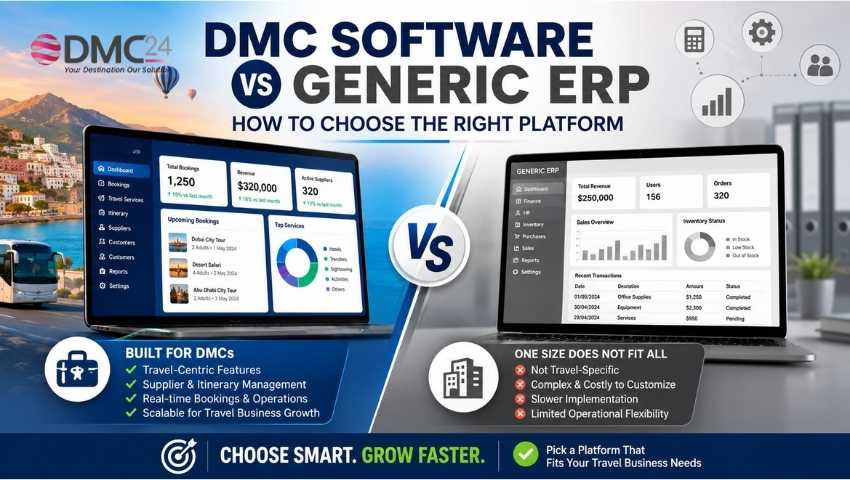
DMC Software vs Generic ERP: How to Choose the Right Platform?
-
 2026-05-07
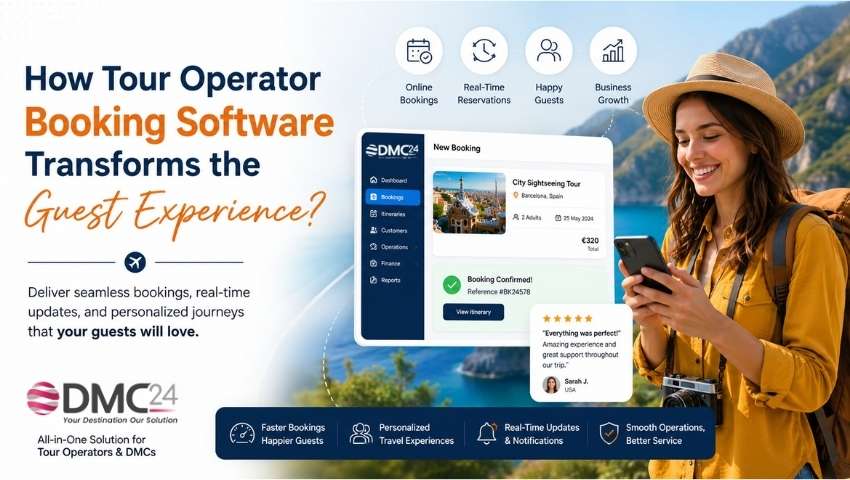
How Tour Operator Booking Software Transforms the Guest Experience?
-
.jpg "The Complete Guide To Inbound Tour Operations In Bali") 2026-05-14
2026-05-14The Complete Guide To Inbound Tour Operations In Bali
-
 2026-05-20
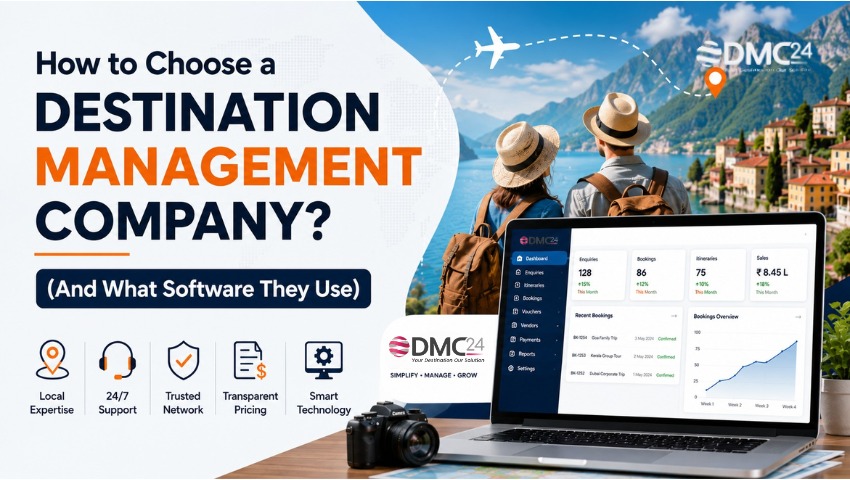
How to Choose a Destination Management Company? (And What Software They Use)
-
 2026-05-28
What Are The Trends Shaping DMC Operations in 2026?
-
 2026-06-01
How to Streamline Hotel Reservation Management For DMCs in Bali?
-
 2026-06-10
Bali Tour Operators: How to Scale Without Losing Quality
-
 2026-06-22
How Top DMCs Use Data to Win More Clients?
-
 2026-06-25
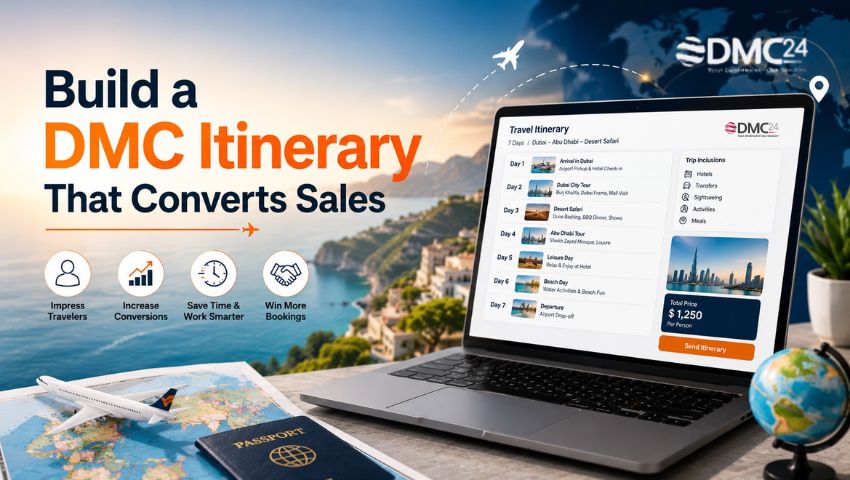
Build a DMC Itinerary That Converts Sales
-
 2026-06-30
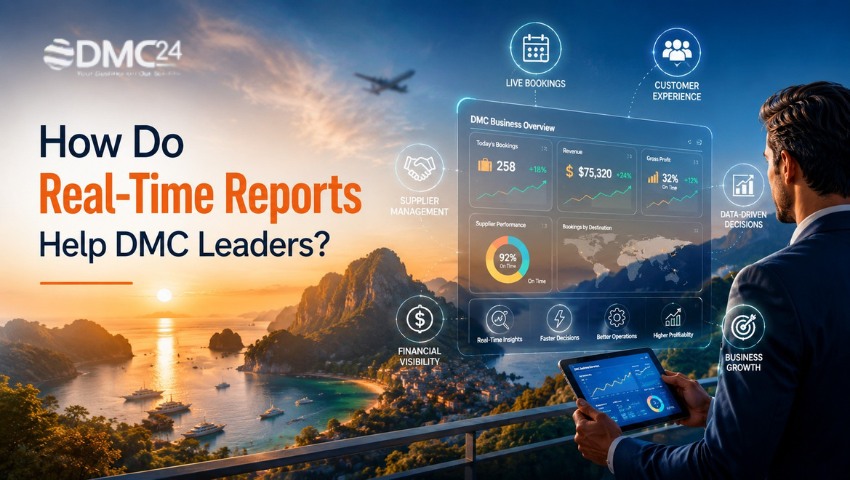
How Do Real-Time Reports Help DMC Leaders?